Reading file
Blog
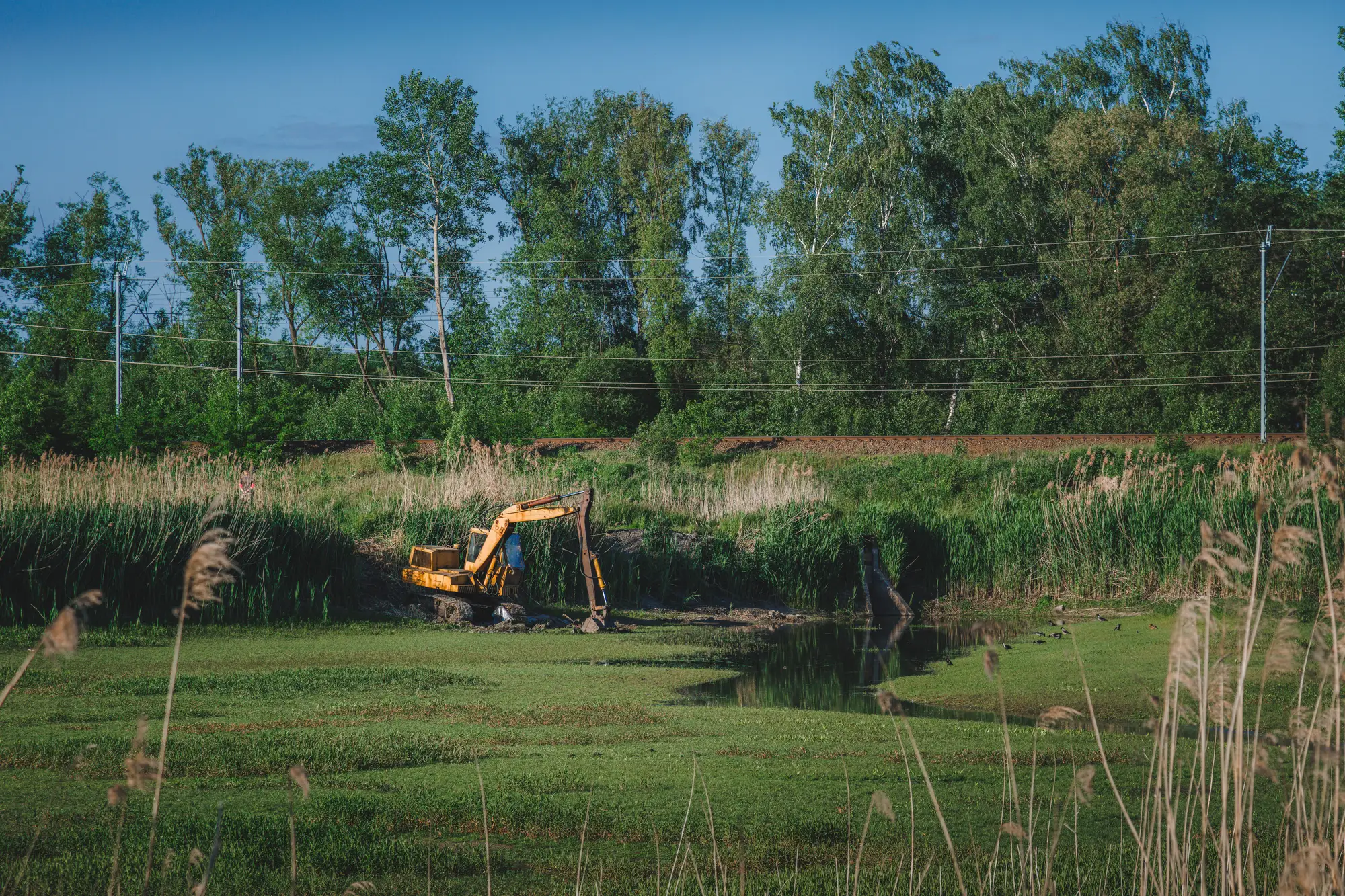 Field notes: the week a crew nobody expected kept working the right-of-way
A Thanksgiving-week encroachment that should have waited until Monday didn't. Why holiday weeks are the blind spot in right-of-way monitoring.
 Public awareness programs under PHMSA: what 192.616 covers
A plain look at what a PHMSA public awareness program under 49 CFR 192.616 does, and where it leaves a gap in third-party damage prevention.
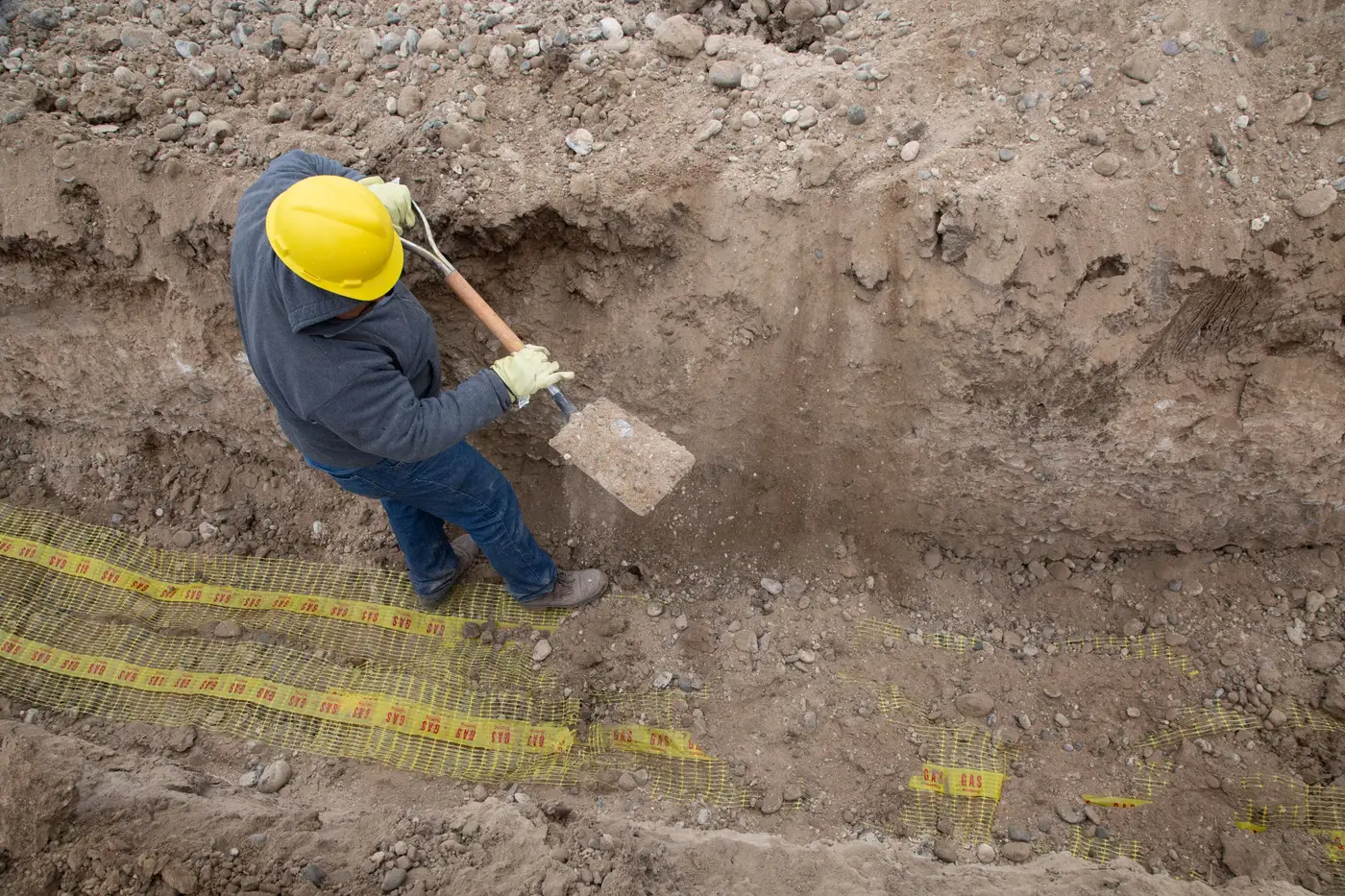 Dig-in vs near miss: classifying a right-of-way incident
How integrity teams tell a dig-in from a near miss on a pipeline right-of-way, and why the classification changes what you report and to whom.
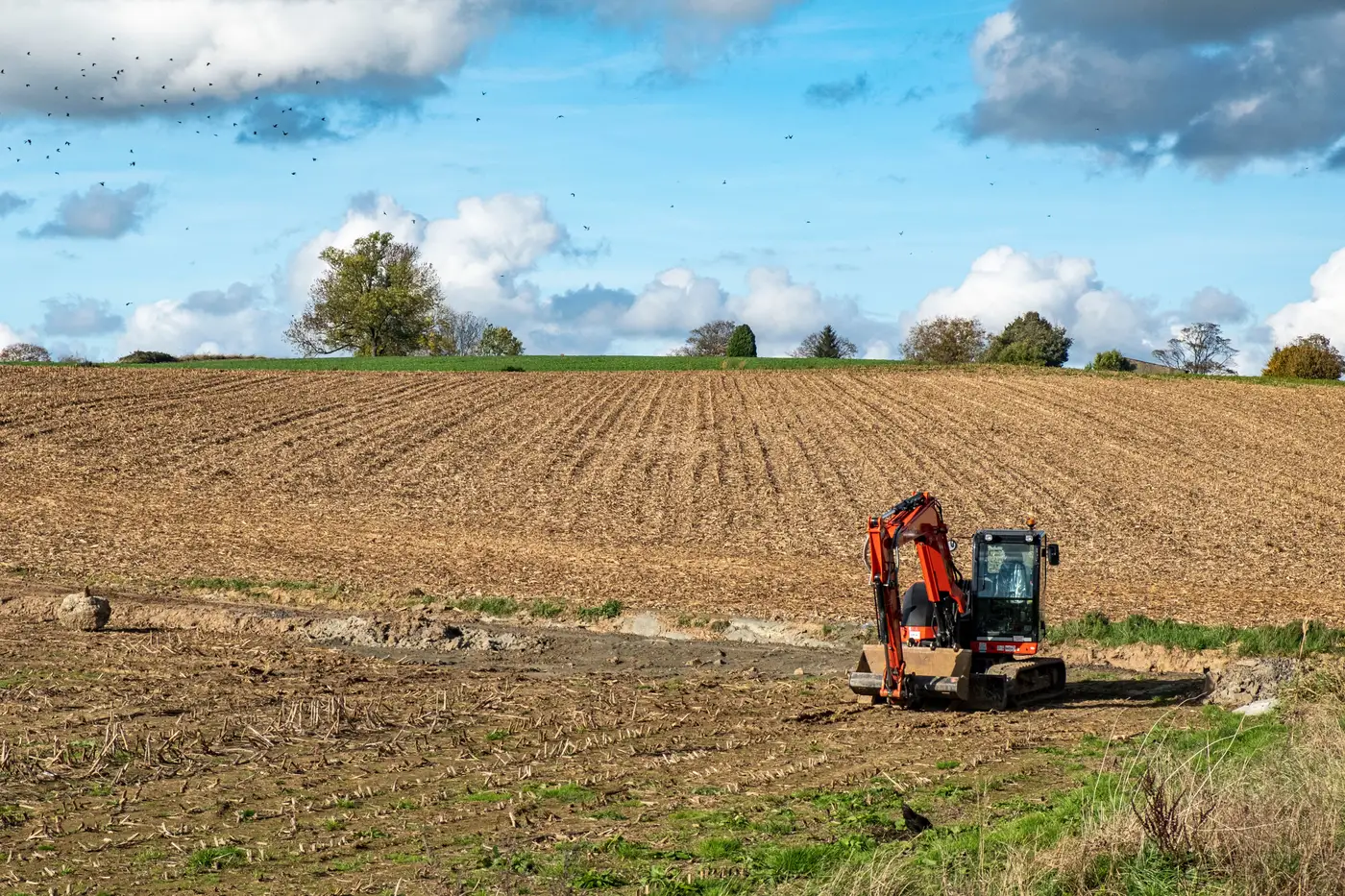 Time-independent threats: why third-party damage doesn't follow corrosion rules
Why third-party damage falls under B31.8S's time-independent category, and how that changes the way integrity teams have to monitor for it.
- Field notes: the segment where the excavator beat the locate ticket by three days
A dig-in near a buried line started before the locate ticket was even due. The lag between a call-in and a marked line is where third-party damage lives.
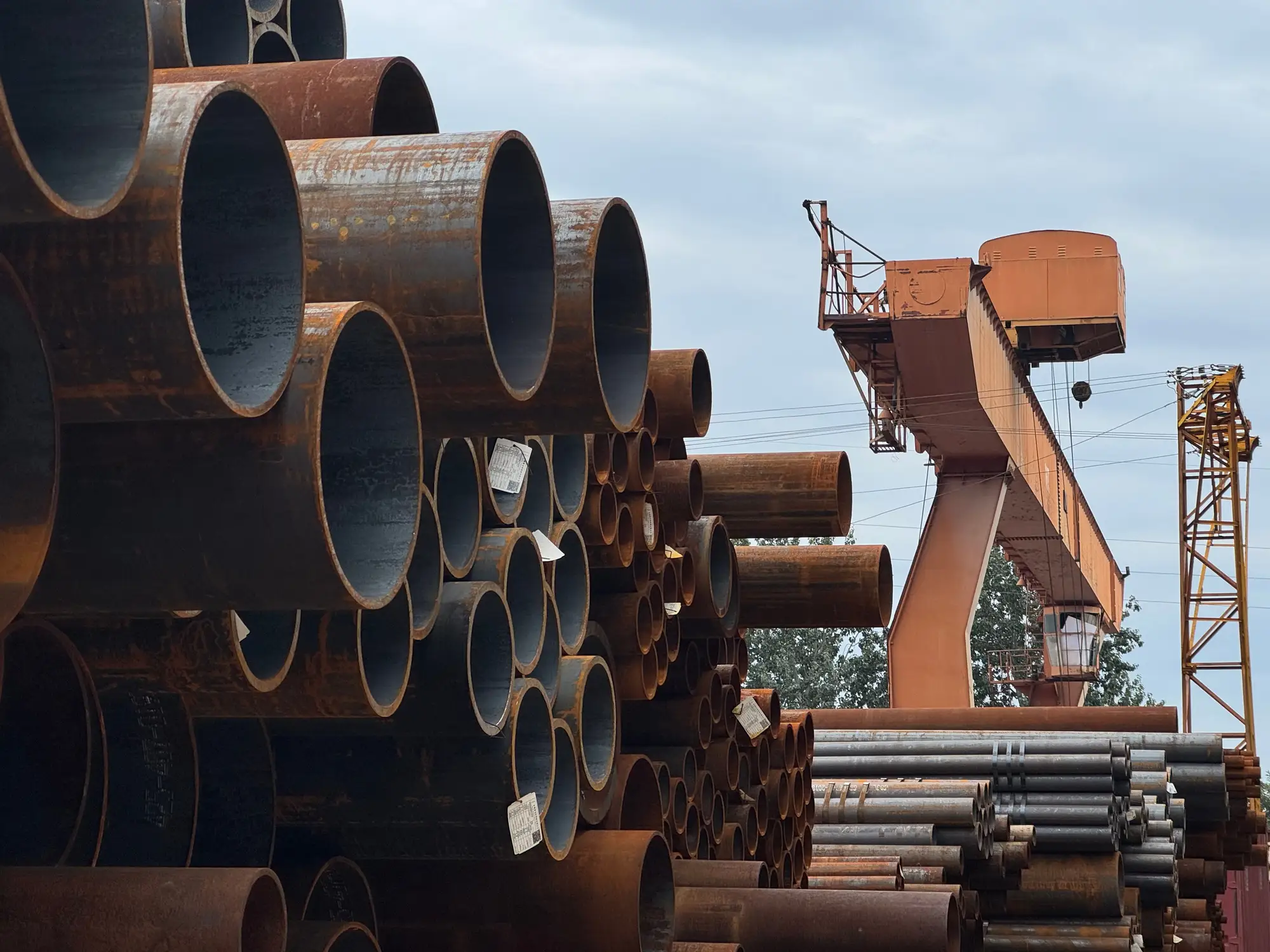 Material laydown vs. equipment staging: what the difference means for a threat call
Pipe reels and spoil piles aren't the same signal as a trenchline of iron. Here's how integrity teams should read each one near the ROW.
- What is a bell hole, and why it means someone found your line
A bell hole is how a crew exposes a buried line before they cross it. Here's what it looks like from the air and why it's your cue to send an inspector.
- Gold Shovel Standard: what it covers, and why it matters for damage prevention
Gold Shovel Standard certifies excavator practices, not what's on your right-of-way. What it covers, and the gap damage prevention programs still have.
 Field notes: the Tuesday a hay baler looked like a trencher
A weekly imagery review flags a shape near the ROW that reads as excavation equipment. It's a baler. Here's how you tell the two apart from a satellite pass.
- Pipeline right-of-way vs. easement: what's the difference?
Easement and right-of-way get used interchangeably in the field, but they're not the same thing. Here's what separates the legal right from the land itself.
- How to tell a directional drill rig from a backhoe in satellite imagery
A field guide to reading HDD spreads versus backhoe dig-ins on VHR imagery, so you know what you're sending an inspector to before they load the truck.
- Pipeline crossing agreements: what they cover and who needs one
What a pipeline crossing agreement covers, who has to get one, and how it differs from an encroachment agreement or a locate ticket.
- How to brief a field inspector before a dig-up near a pipeline
A practical dig-up inspection checklist: what to tell a field inspector before they roll on a third-party excavation near the line.
- How to prioritize which excavation sightings get an inspector dispatched
A field-tested way to score excavation sightings by consequence, locate status, and dig history so inspectors go to the right dig first.
- How to read a locate ticket when the dig info is sloppy
A field guide to spotting vague, incomplete, or contradictory locate tickets before an excavator lands near your pipeline.
- Positive response vs. locate ticket: what's the difference?
Locate tickets and positive response codes aren't the same thing. Here's what each one tells a pipeline integrity team, and what neither one tells you.
- What counts as third-party damage under PHMSA reporting rules
How PHMSA classifies third-party excavation damage, what triggers a reportable incident, and why the classification call comes too late.
- What is a no-notice excavation, and how do damage prevention programs track it?
A no-notice excavation is digging near your line with no locate ticket on file. Here's how damage prevention programs catch it, and where they still miss it.