Material laydown vs. equipment staging: what the difference means for a threat call
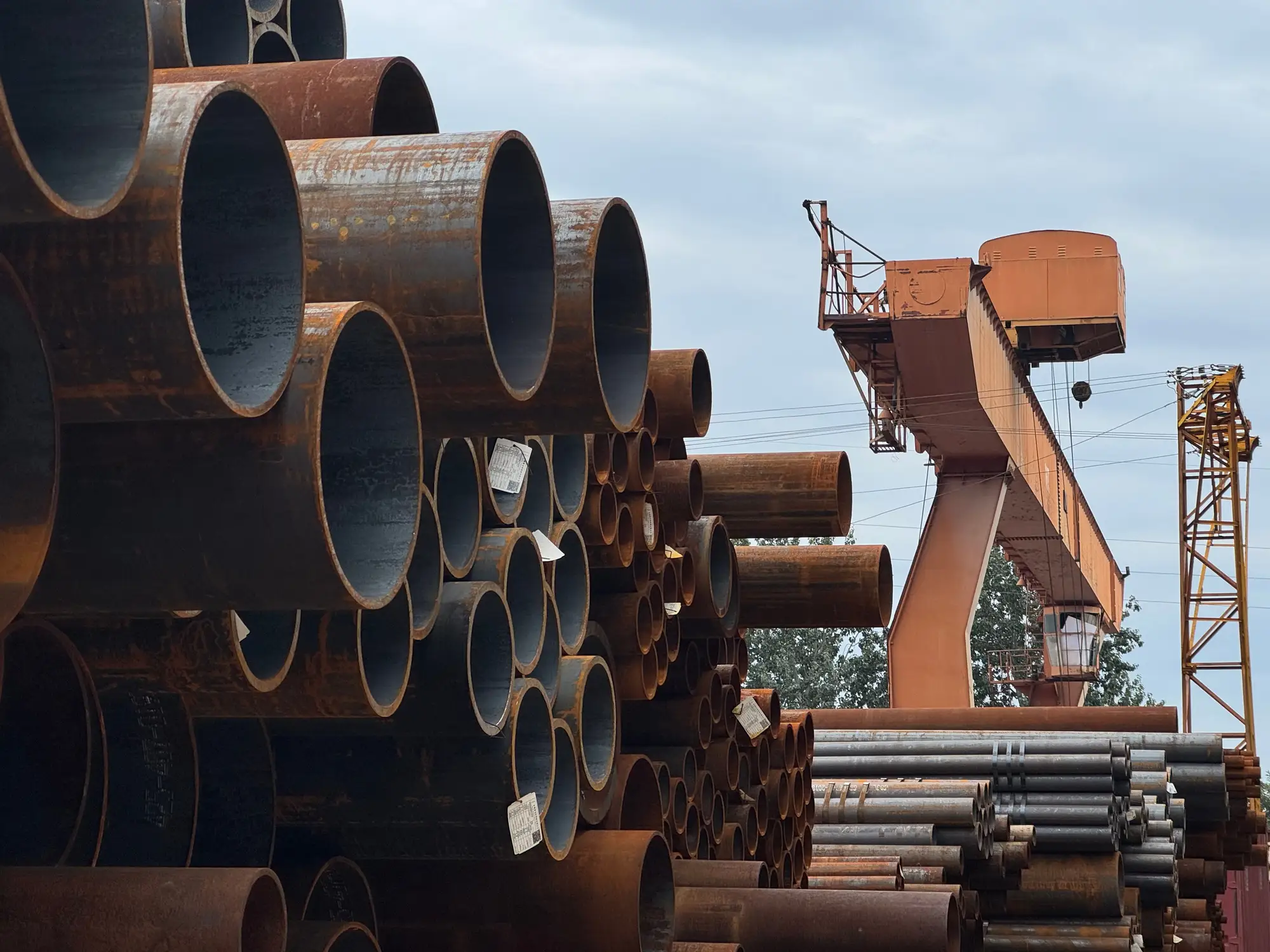
A damage prevention tech pulls up an imagery alert showing activity near a segment. Before anyone calls a line walker, the first question is simple: what's sitting out there? A stack of pipe and cable reels reads differently than a backhoe parked at the fence line, and mixing the two up either burns an inspector's day on nothing or lets a real dig-in sit for a week.
Laydown yard: materials staged, not moving yet
A laydown yard near a pipeline right-of-way is inventory. Joints of pipe, fittings, silt fence rolls, conduit spools, sometimes a stack of concrete barriers. It shows up because a contractor is getting ready to work, not because they're working right now. Laydown can sit for days or weeks before a single shovel of dirt moves, especially if the crew is waiting on a locate ticket, a permit, or just scheduling.
That timing gap is exactly why laydown matters as a signal and not an emergency. If your team has a record of an authorized One-Call ticket for that segment, a laydown yard confirms the job is proceeding on schedule. No alarm needed. But if there's no ticket on file and pipe is stacking up fifty feet off the centerline, that's worth a call before the first trench gets opened, not after.
The trouble is that laydown is easy to miss from the road and easy to write off as "somebody's job site" from a drive-by. It doesn't look urgent. It doesn't look like a threat. That's the point: it's the stage where you still have time to confirm who's working and why.
Equipment staging: someone's ready to break ground
Equipment staging is a different animal. This is excavators, trenchers, directional bore rigs, dozers, sitting fueled and positioned on or near a pipeline segment. Spoil piles next to a machine mean ground has already been opened. A string of iron parked along the ROW with no pipe or materials in sight usually means digging starts within hours or days, not weeks.
For a threat call, equipment presence should move faster through the chain than a materials alert does. An excavator staged over a known crossing, with no matching locate request, is the scenario integrity teams lose sleep over: a crew digs in before the inspector ever gets dispatched. The lag between "equipment showed up" and "someone from the pipeline operator drove out to look" is where most third-party damage happens, and it's usually not because nobody cared. It's because nobody found out until the landowner called, or until the backhoe hit something.
Why the distinction changes the dispatch decision
Treating every laydown yard like staged equipment wears out your inspectors and your credibility with field crews who get flagged for sitting on an authorized job. Treating staged equipment like routine laydown is how you end up explaining a strike to a VP after the fact. The right call depends on reading which one you're looking at, then checking it against what's actually permitted for that segment.
That's a judgment call a person has to make, but it only works if someone's looking at the segment often enough to catch materials before they turn into an open trench. A landowner complaint or a one-off overflight catches the problem after equipment's already there. A weekly pass catches the laydown stage, while there's still time to confirm the ticket and send someone out before ground breaks.
Pipeline Threat Alert pulls weekly VHR imagery over your segments and flags both stages in a dated briefing, so your team can tell a staged job from a staged threat before the first trench opens.