Pipeline right-of-way vs. easement: what's the difference?
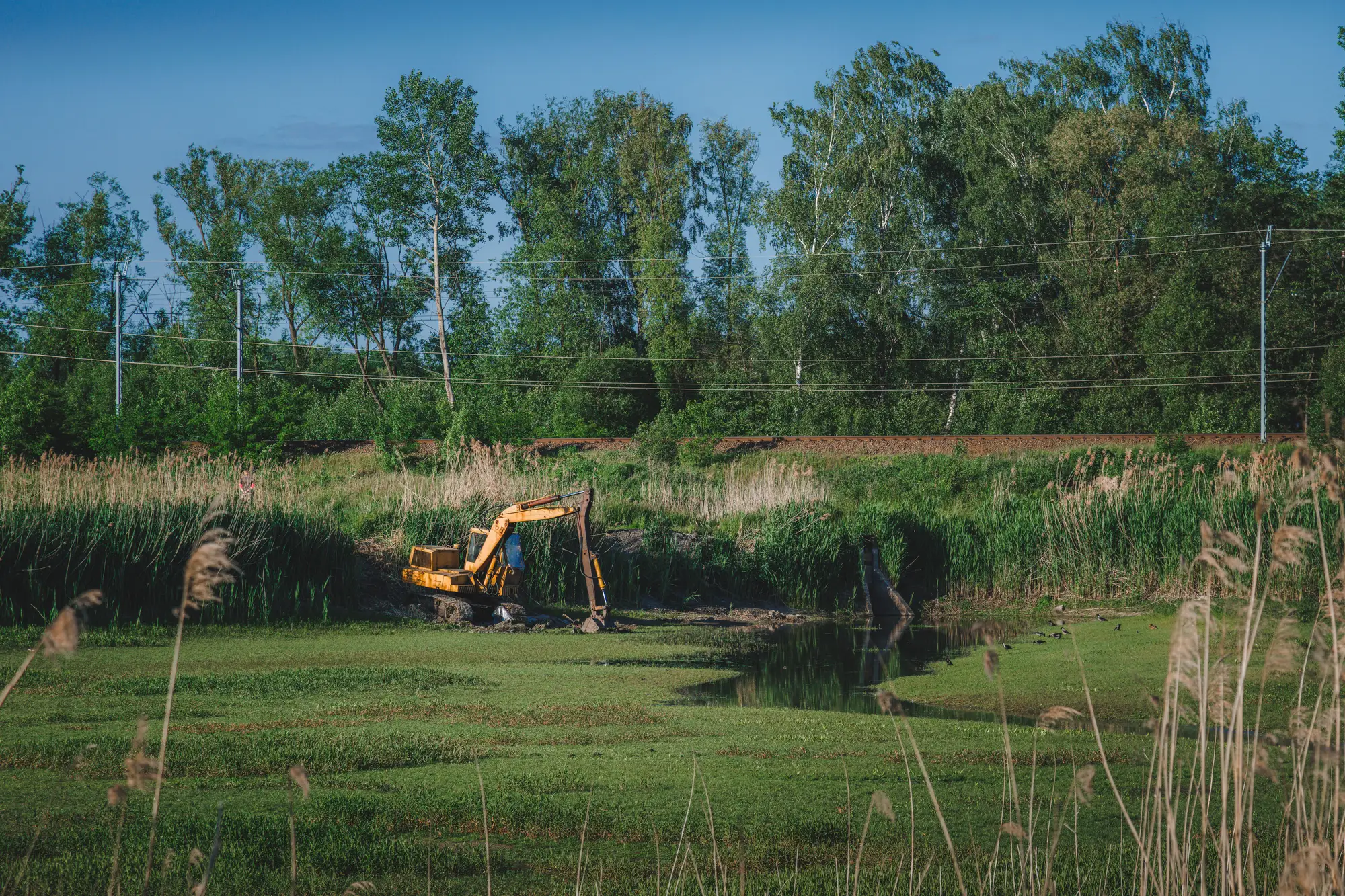
Ask three people on your integrity team to define "right-of-way" and you'll likely get three slightly different answers. Some use it interchangeably with "easement." A few will tell you they're legally distinct. Both groups are half right, which is exactly the problem when a landowner, a contractor, or a county inspector is standing on the line and nobody's sure whose definition applies.
The easement is the right, the right-of-way is the ground
An easement is a legal instrument. It's the recorded document that grants your company (or its predecessor) the right to build, operate, maintain, and access a pipeline across someone else's property. The landowner keeps title to the land. What they've given up, usually in exchange for a one-time payment decades ago, is the right to interfere with that pipeline and the right to stop you from getting to it.
The right-of-way is the physical strip of land where that easement gets exercised. It's the corridor, typically kept clear of permanent structures and deep-rooted vegetation, that lines up with the recorded easement boundaries. In practice, most field hands use "ROW" to mean the cleared strip they can see on the ground and "easement" to mean the paperwork that justifies it being there.
The distinction matters more than it sounds like it should. An easement doesn't expire just because nobody mowed the corridor last season. But a right-of-way that's been allowed to grow over, get built on, or get treated as part of someone's backyard can create real disputes about what your easement covers, especially on old agreements with vague metes-and-bounds language instead of GPS coordinates.
Why width is never a fixed number
Pipeline easement rights typically specify a width, but that number varies by instrument, by operator, by decade, and sometimes by segment within the same line. A 1950s easement might grant 50 feet. A line built in the 2000s under modern permitting might carry 75 or 100 feet, with a narrower permanent ROW and a wider temporary workspace that was only ever meant for construction. Some agreements separate "permanent easement" width from "additional temporary workspace," and crews who only check the permanent-width number can miss that the original grant covered more ground during construction, land that's now farmed, built on, or fenced without anyone flagging it.
This is exactly where third-party encroachment problems start. A landowner who inherited the property twenty years after the easement was signed has no memory of what width was granted. A new neighbor doesn't know the fence line they just put in sits inside the recorded corridor. A contractor laying fiber or installing a drain tile measures from the visible mow line, not the legal boundary, and ends up with an excavator thirty feet closer to the pipe than they think.
What this means for the people doing inspections
None of this is academic when you're the one deciding whether to dispatch someone. A right-of-way agent pulling easement language can tell you what width you're legally entitled to protect. What that document can't tell you is whether someone's digging inside that width right now. The easement is static, it was signed once and doesn't change until it's amended or abandoned. The threat isn't. Grading equipment shows up, material gets staged, a trench gets opened, all on a timeline that has nothing to do with when the paperwork was filed.
That gap between "here's what we're entitled to protect" and "here's what's happening on the ground this week" is where most damage prevention programs lose time. Landowner calls and one-off complaints are useful but they're reactive by nature, and by the time someone phones in a dig, the backfill might already be going in. Pipeline Threat Alert closes that gap with a weekly check on activity inside your corridor, flagging machinery and material laydown from recent imagery so an inspector can be routed while the equipment is still parked on site rather than after the fact.
Know your easement width. Watch your right-of-way. If you want eyes on the corridor between landowner calls, that's the gap Pipeline Threat Alert was built to fill.