How to prioritize which excavation sightings get an inspector dispatched
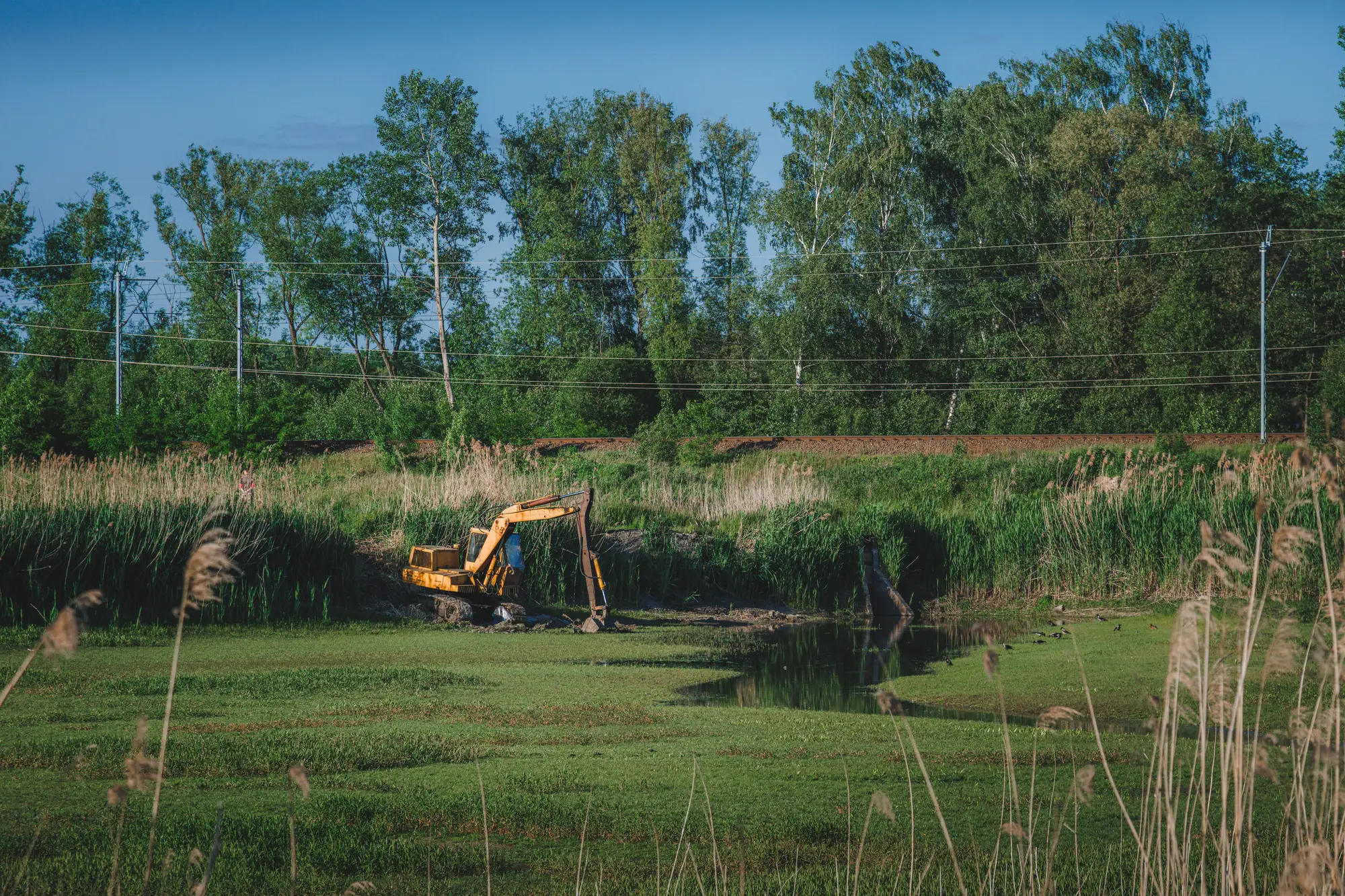
A damage prevention line that rings off the hook with landowner calls, 811 tickets, and now satellite flags doesn't have a staffing problem. It has a triage problem. Most integrity teams can field three or four site visits a week per inspector, maybe less if the territory runs long and rural. If every sighting gets treated the same, the crew spends Tuesday driving out to a fence contractor setting posts forty feet off the ROW while an actual trencher works unpermitted dirt two miles away.
Here's a way to sort the list before anyone turns a key.
Rank by consequence first, not convenience
The easiest sighting to check isn't always the one that matters. A mower parked next to an access road is a five-minute drive-by. A boring rig staged near a creek crossing in a high consequence area is a different animal, even if it's forty miles further out.
Pull three things before you rank anything else:
- Distance from the centerline. Inside the ROW or encroaching on it outranks "nearby but off easement" every time.
- Class location or HCA status of that segment. A dig near a school or a cluster of homes moves up the list regardless of how routine the equipment looks.
- Product and operating pressure on that line. A high-pressure gas transmission segment earns a faster look than a low-pressure gathering line, all else equal.
A sighting that scores high on all three gets a truck rolling today. One that scores low on all three can usually wait for the next pass through that corridor, or get a phone call to the landowner instead of a drive.
What actually earns a same-day dispatch
Not every excavator in a field is a threat. Farmers till. Utility crews trench for fiber all the time without coming near a gas or liquids line. The signal that should move a sighting to the top of the stack is equipment and material staged where there's no locate ticket on file, no right-of-way agreement, and no obvious reason for it to be there.
Look for combinations, not single data points. A trackhoe plus a spoil pile plus pipe racks or casing sections on site is a different read than a trackhoe alone. Equipment sitting idle overnight near a crossing, with no 811 ticket matching that address, is worth more attention than a crew actively working inside a marked and permitted job. If your state's one-call system shows a ticket for that parcel, confirm the locate was done correctly before you stand down. If there's no ticket at all and dirt is already moving, that's the one that jumps the queue.
History matters too. Segments that have had near-misses or unauthorized digs before deserve a lower threshold for dispatch. If a stretch of ROW has been hit twice in five years, don't wait for a third confirmed excavation before sending someone out on the next ambiguous sighting there.
Build a simple scoring pass you can do in five minutes
A workable version doesn't need software. A dispatcher or on-call integrity tech can run through four questions for each new sighting and get a rough priority without a committee meeting:
- Is it on or within the ROW buffer?
- Is there a matching locate ticket?
- Is the segment HCA or high class location?
- Has this stretch had a prior dig incident?
Two or more yes answers means same-day or next-day dispatch. One yes answer means it goes on the inspector's route for that week. Zero means a phone call or a note in the file, not a truck.
Running the score itself takes five minutes once a sighting lands in front of someone. Most damage prevention programs lose ground on the step before that: getting the sighting in front of the team while the equipment is still parked on site, rather than weeks later when the pipe's already been struck and patched. Pipeline Threat Alert flags machinery and material laydown near your segments weekly from satellite imagery and puts a dated briefing in front of your team before the one-call system or an angry landowner does.
If your dispatch list has been running on whoever calls loudest, it's worth seeing what a dated, segment-by-segment briefing looks like for your corridor.