What is a bell hole, and why it means someone found your line
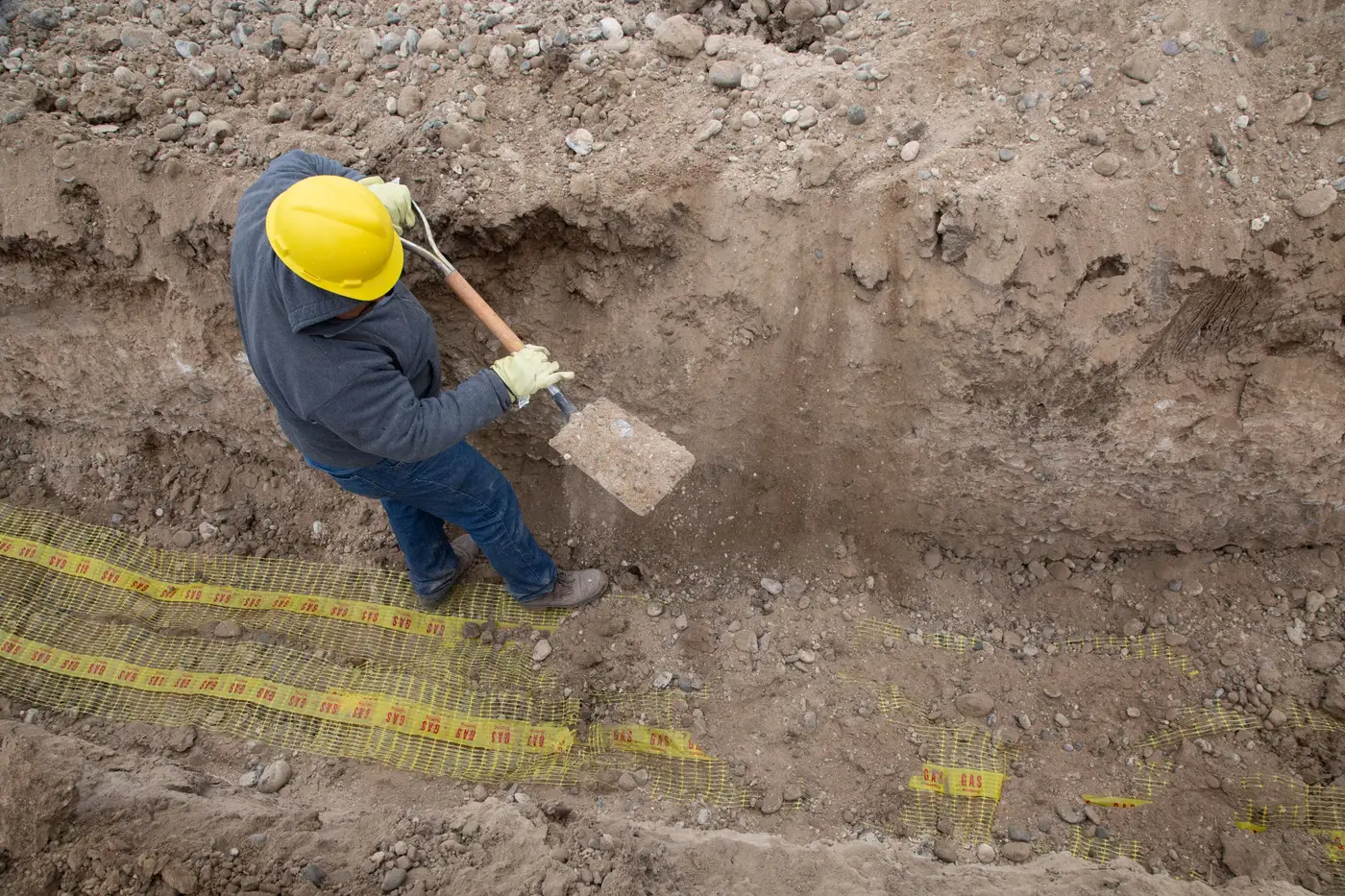
A bell hole is a small excavation, usually hand-dug or vacuumed out, that exposes a buried pipeline so a crew can see exactly where it sits before they work near it. The name comes from the shape: wider at the bottom than the top, like an upside-down bell, so a person can get down to the pipe and work around it without the sides caving in on them.
If you've spent any time in damage prevention, you already know the term from one-call tickets and locate requests. What's worth sitting with is the other half of the sentence: a bell hole on or near your right-of-way means somebody already knows your line is there. They found it, or they're in the process of confirming exactly where it runs, and that's the moment your exposure to a dig-in goes up, not down.
What the excavation actually tells you
A bell hole isn't random digging. Crews open one for a specific reason: they're about to bore under your line, cross it with a utility trench, set a foundation near it, or they need to verify depth of cover before bringing in heavier equipment. The hole itself is usually small, often just a few feet across, which is part of why it's easy to miss on a routine patrol. A dozer clearing a pad gets noticed. A two-person crew with a vacuum truck and a tarp over a 4-foot pit does not.
That's the problem with relying on a drive-by or a once-a-month flyover. By the time a bell hole shows up in a windshield survey, the crew may have already moved past the hand-dig stage and brought in the trencher or the auger rig they were exposing the line for in the first place.
Hand dig vs. mechanical exposure, and why both matter
Most damage prevention programs require hand excavation or vacuum excavation (hydro-vac) within a tolerance zone around a marked line, usually somewhere in the 18-to-24-inch range depending on your state's dig law. That rule exists because a backhoe bucket doesn't know the difference between dirt and steel. A proper pipeline exposure pit, dug by hand or hydrovac, is the compliant way to confirm a locate before mechanized work starts closer in.
The catch is that the hand-dig stage is also the quietest part of the whole job. There's no trencher noise, no boom truck, sometimes not even a marked vehicle on site, just a pit, a pile of spoil, and a crew that's there for an hour or two. If your only reporting mechanism is a landowner call or a locate ticket that already came and went, you're finding out about this activity after the exposure is done and the real work is already scheduled.
Why the timing matters for integrity teams
A bell hole is a planning signal. It tells you a contractor is actively staging work near your asset, which is the point where you want an inspector walking that segment, not three weeks later when the trench is backfilled and the only evidence left is disturbed soil in last month's satellite pass. Once a hand dig is open, you've got a short window to confirm the locate matches reality, check depth of cover, and make sure whoever's running equipment nearby has a current ticket and understands what they're standing next to.
This is exactly the kind of third-party activity that's hard to catch with a monthly aerial pass or a patrol schedule built around mileage, not risk. A weekly check for new machinery and laydown near your segments, flagged with a date and tied to the right stretch of line, is what turns "someone called it in after the fact" into "we sent someone while the crew was still on site." That's the gap Pipeline Threat Alert is built to close.
If bell holes and hand-dig crews are the activity you're most worried about missing between patrols, take a look at what a weekly check near your segments actually catches.