Field notes: the week a crew nobody expected kept working the right-of-way
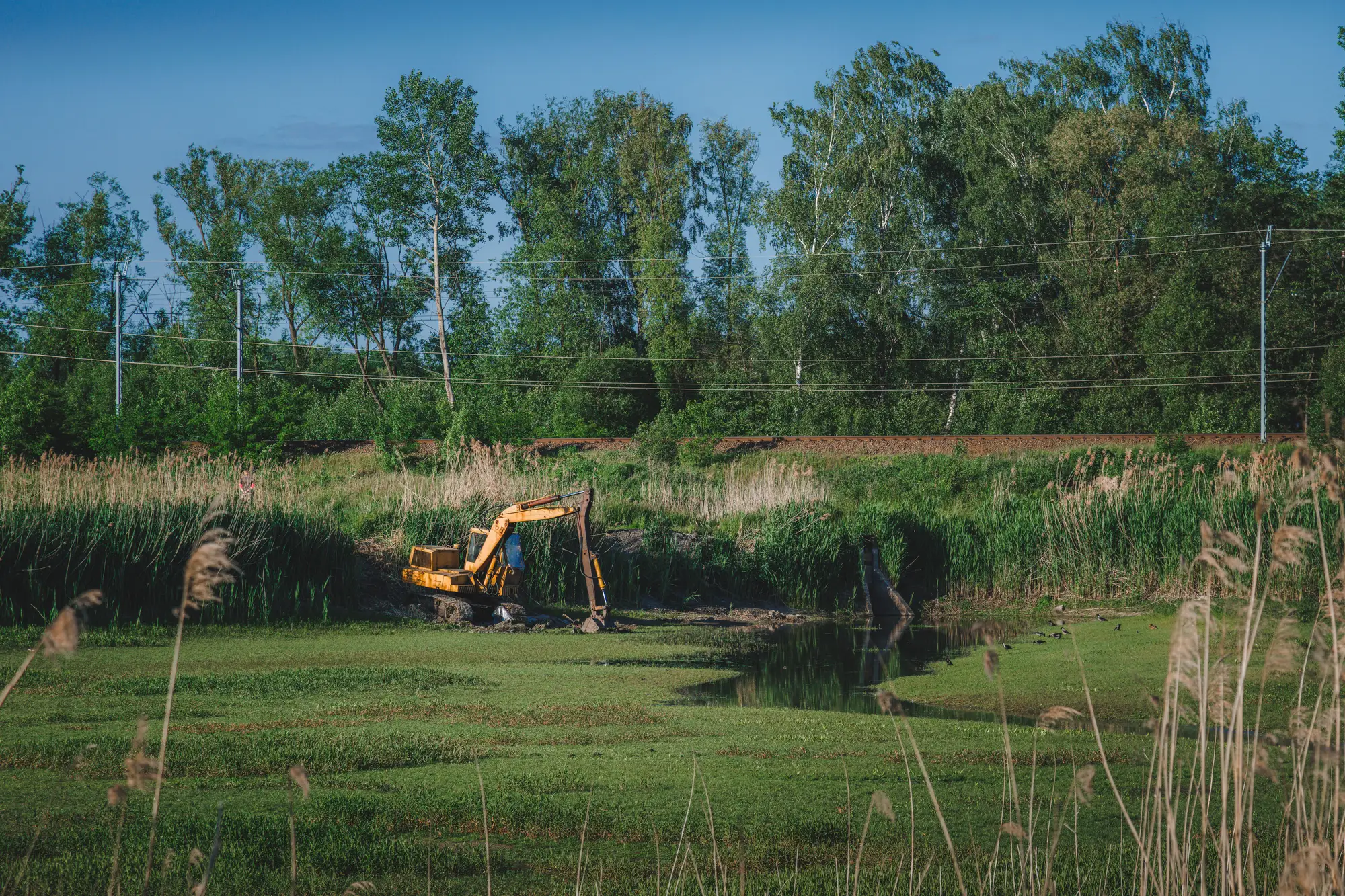
Most integrity teams plan around the holiday the way everyone else does. The office empties out Wednesday afternoon, the on-call rotation covers emergencies, and routine patrol slips a few days because, honestly, nobody's digging next to a pipeline on Thanksgiving.
Except somebody was.
A contractor grading a utility corridor near a transmission line had a materials delivery scheduled for that Tuesday and decided the equipment wasn't worth demobilizing for four days. The excavator sat. The spoil pile sat. And a crew of three came back Friday morning, while most of the pipeline world was still on leftovers, and kept moving dirt about 40 meters off the centerline of a buried line they had no permit to be near.
Nobody called it in. The landowner was out of town. The one-call ticket on file covered a different segment entirely, filed three weeks earlier for a fence line repair, and had long since expired. By the time anyone on the integrity side laid eyes on that stretch of right-of-way, it was the following Wednesday, a full week after the equipment first showed up.
This is the part of the job nobody puts in the annual report: threats don't take holidays. If anything, the gap between "one-call compliance" and "what's actually happening on the ground" widens exactly when staffing thins out. Landowners travel. Field reps are off. The complaint line that normally catches an unpermitted dig goes quiet because the people who'd normally make that call are carving a turkey instead.
The crew in question wasn't being sneaky. They just had a schedule to keep and a holiday week to work around it. That's the pattern worth paying attention to, not the specific contractor or the specific line. Holiday weeks and three-day weekends compress a normal work month into less calendar time, and crews under deadline pressure tend to push through gaps rather than lose the days. Thanksgiving, Memorial Day, the week between Christmas and New Year's: these are exactly the windows when a third party is most likely to be moving dirt near your asset with the least chance of anyone noticing until it's finished.
The fix isn't staffing up the on-call desk for every holiday on the calendar. Nobody's integrity budget supports that, and it wouldn't catch this kind of thing anyway, since the problem isn't an emergency call, it's the absence of one. What catches it is simply looking at the ground on a schedule that doesn't care whether it's a holiday week, and comparing this week's imagery against last week's for every segment on the system.
That's the gap Pipeline Threat Alert is built to close: a weekly pass over the right-of-way that flags new equipment and material laydown whether or not anyone bothered to pick up the phone, so a dated briefing is waiting Monday morning regardless of what the calendar did the week before.
A Monday check would have shown the excavator still parked and the spoil pile still growing, five days before anyone outside the contractor's own crew knew the work had restarted. That five-day margin is what puts an inspector on site while the bucket is still in the ground instead of sending one out later to document what already happened.
Holiday weeks simply stretch an existing gap wide enough to see. The same blind spot sits in every ordinary week of the year, narrower and easier to miss.
If your crews are leaning on landowner calls to flag unpermitted work near the line, this is the week to ask what else slipped through while everyone was off the clock.