Dig-in vs near miss: classifying a right-of-way incident
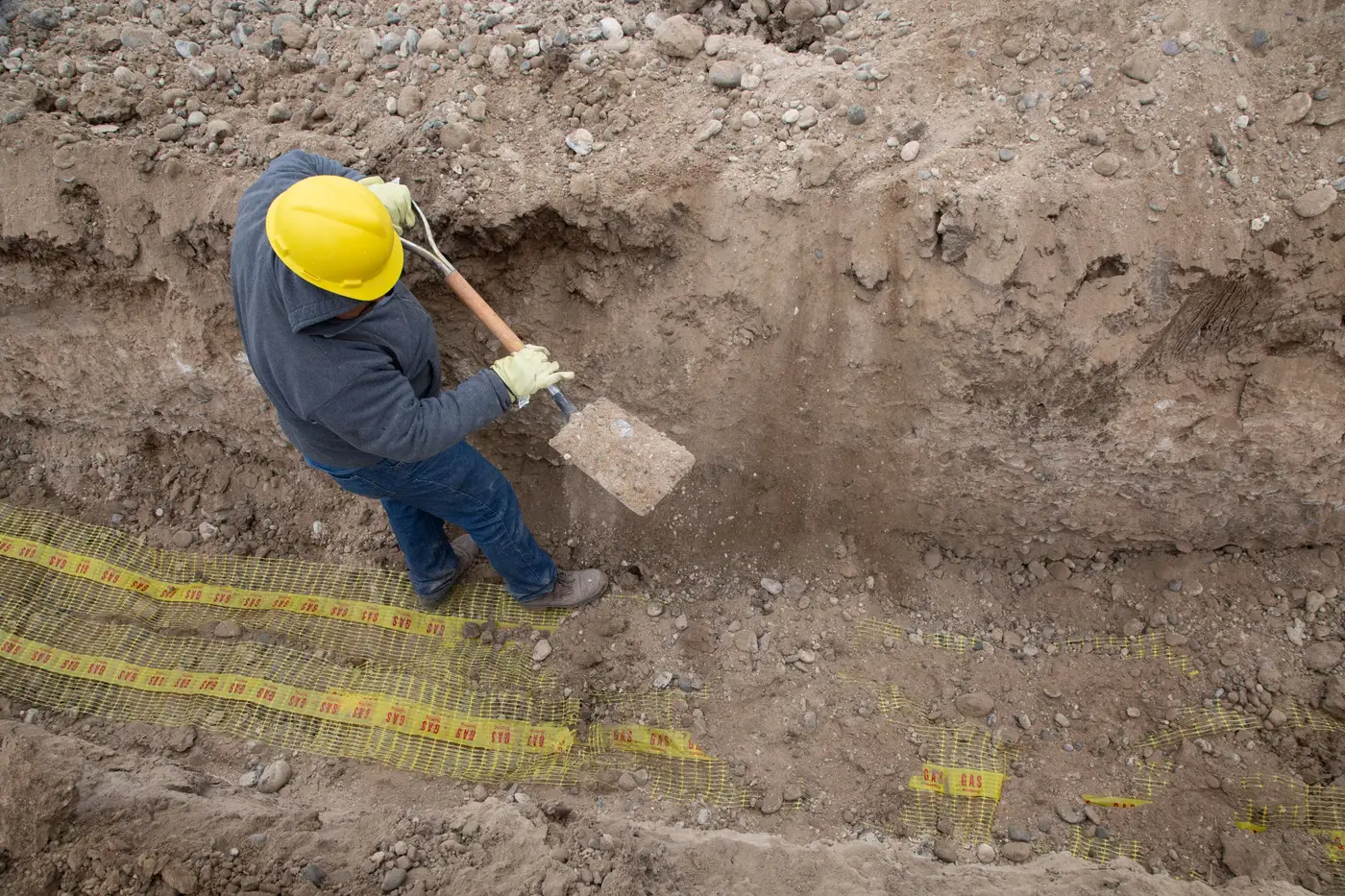
A damage prevention coordinator gets a call about an excavator working too close to a line. Before anyone fills out a report, there's a question that decides which report gets filled out: did the equipment actually contact the pipe, the coating, or the cathodic protection system, or did it stop short?
That line, contact versus no contact, is the whole distinction between a dig-in and a near miss. It sounds simple until you're standing at the edge of a trench trying to decide which box to check.
What makes it a dig-in
A dig-in is physical contact with a buried facility. That includes the obvious case, an excavator bucket striking exposed pipe, but it also covers things field crews sometimes argue about: a probe or hand tool that scrapes coating without puncturing the wall, a vibratory plow that nicks a tracer wire, a boring head that deflects into the ROW and touches the casing. Contact is contact. Severity varies a lot, a coating scrape and a ruptured line are both dig-ins, but the classification doesn't wait for severity. It just asks whether the equipment reached the asset.
Once contact is confirmed, the incident typically triggers your company's formal damage report, a call to the PHMSA reporting line if thresholds are met, and an entry in DIRT (the Common Ground Alliance's Damage Information Reporting Tool) if your company submits to it. Root cause gets logged: no locate requested, locate marks not followed, marks faded or washed out before the dig, wrong facility depth assumed. That root cause data is what feeds your damage prevention program's annual numbers, so getting the classification right at the point of discovery matters more than it looks like it does.
What makes it a near miss
A near miss is everything upstream of contact. Equipment staged inside the tolerance zone without digging. A locate ticket that expired while excavation was still active. A backhoe operator who hit the two-foot buffer and stopped when the spotter flagged it. An unmarked bore crew working parallel to the ROW with no ticket on file at all. None of these touched the pipe, but every one of them is a documented threat, and most damage prevention programs want near misses logged with close to the same rigor as dig-ins, because a near miss today is frequently a dig-in next month on the same job, same crew, same unresolved habit of skipping locates.
The practical difference shows up in who gets called. A dig-in usually means an immediate site stop, a safety assessment, and possibly an emergency response plan activation depending on product and pressure. A near miss means a conversation with the excavator or their one-call compliance contact, a note in the ROW file, and in a lot of programs, a follow-up inspection to confirm the crew pulled back and stayed back rather than waiting out the spotter.
Where the classification breaks down
The gray area is tolerance-zone work that never gets physically verified. If a crew says they hand-exposed the line and stayed above it, and nobody from your team walked the site, you're classifying based on their report, not your own observation. That's the gap most integrity teams lose sleep over: third-party work happening inside the ROW with no inspector on site to confirm what the operator claims happened. By the time a landowner complaint or a slow-walked compliance call reaches your desk, the crew and the equipment may already be gone, and you're left reconstructing a near miss or a dig-in after the fact instead of catching it while the machinery is still there to look at.
Pipeline Threat Alert exists for that gap. It checks VHR imagery over your segments weekly and flags machinery and material laydown near the line while it's still on site, so an inspector gets dispatched before the crew packs up and the only record left is whatever they tell you.
If your team is tired of classifying incidents after the fact instead of catching the threat while it's still in the ground, see how the weekly segment briefing works.